-
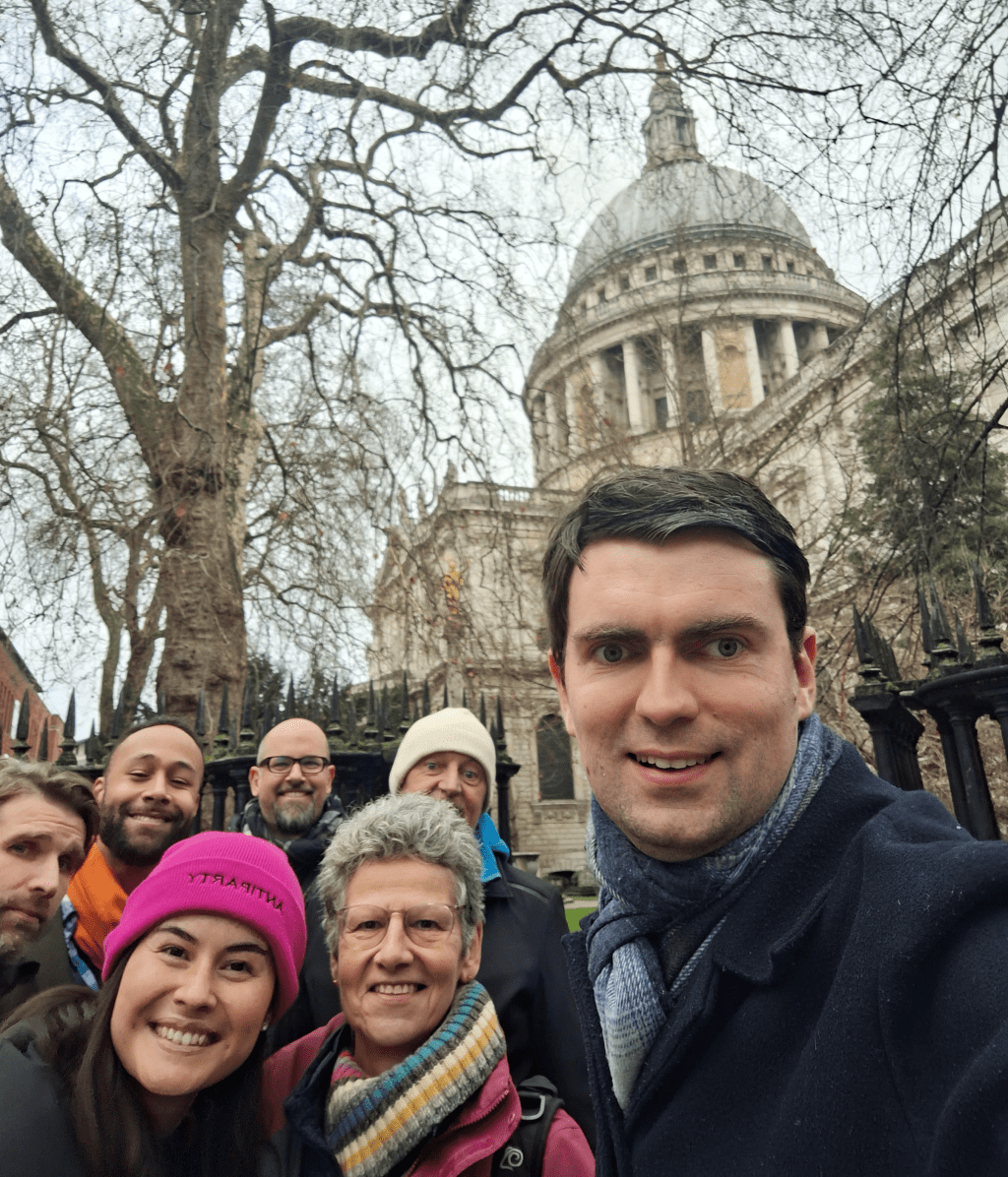
A few weekends ago, I went on a walking tour of central with Bella Roberts from Antiparty, a group dedicated to envisioning democracy without the party system of today – something I have independently concluded myself. They are particularly interested in sortition, deliberative democracy and giving power to local communities. As they put it: We…
-
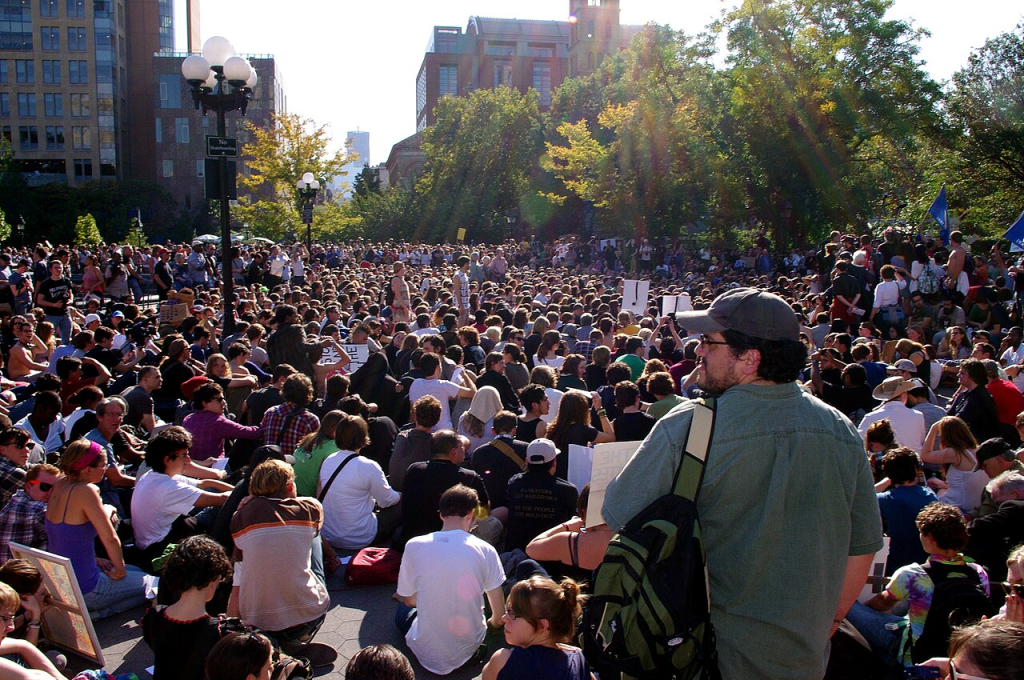
A protest against the killing of Renee Good last Wednesday, only hours after it happened. The 2010s saw more people take part in political protests than any decade before. The 2020s are shaping up to be bigger still — on the day I write this, the US is facing another big wave of protests over…
-
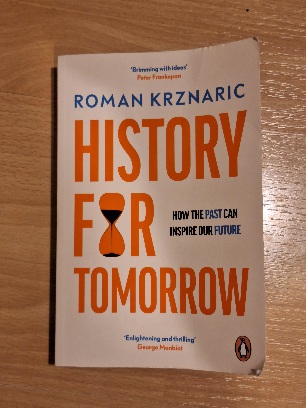
When confronted with the Cuban Missile Crisis in 1962, John F. Kennedy had on his mind a book that he had recently read. It was The Guns of August, Barbara Tuchman’s newly-published and now-classic account of how the European powers blundered into the First World War. Kennedy was impressed by the book and encouraged many…
-
Just over a month ago, I helped out at a people’s assembly in Brixton, a neighbourhood of the inner south London at the end of an Underground line, to act as the facilitator of a group discussion. I have been late posting on this, as this post stalled as I struggled to figure out several…
-

Zohran Mamdani (left) out campaigning in Flushing last June. The New York City mayoral election has drawn more attention than usual this year, thanks to the initially surprising rise and eventual victory last night of the radical left candidate Zohran Mamdani. At a time when American democracy is declining at an alarming speed thanks to…
-

In the summer of 1914 most of Europe plunged into a war so catastrophic that it unhinged the continent’s politics and beliefs in a way that took generations to recover from. The disaster terrified its survivors, shocked that a civilization that had blandly assumed itself to be a model for the rest of the world…
-

Frome, a mid-sized town in the English county of Somerset A few of us have predicted that radical assembly-based parties could be The Next Big Thing in politics. But how would one actually work? Assemblies What do we mean by assembly-based? This would partly mean that the party would use the incredible potential of randomly-selected…
-

Why am I so prone to bending covers? As the former CEO of Oxfam, the venerable charity for global poverty relief, Danny Sriskandarajah has met with many well-known figures. Among them was Prince Philip: As I began to reply that I had been drawn to an association built on shared values like democracy, Prince Philip…
-

When people come together in small groups to discuss what matters to their community. I’ve been reading lately about the French Revolution and seeing so many parallels to politics today, from the fracturing and paralysis of the elites to the weather problems. Are we on the cusp of a revolution? It is hard to say.…
-

I’ve taken a break from this blog for a few weeks, so this post has come later than it should. I was lucky to get invited to the national gathering of the Humanity Project, a meeting of dozens of assembly organisers at a conference centre in Staffordshire. Though they have done meet-ups before, I got…
Posts
- A Democracy Walk with Antiparty
- How could protests be more effective?
- History for Tomorrow by Roman Krznaric, review and analysis

- My experience at a people’s assembly in Brixton
- Learning from Zohran Mamdani’s victory

- A warning from Europe’s history: To Hell and Back by Ian Kershaw, review and analysis

- How an assembly-based political party could work

- Power to the People by Danny Sriskandarajah, review and analysis

- Revolution is coming — the Community Assembly Project
- My visit to the Humanity Project national gathering

- Why we need to abolish political parties, and how to do it

- Your Party, Grasping at the Enormity of the Moment by Roger Hallam, review and analysis

- A cheap citizens’ assembly in Penzance

- Divided by Shoes — The Power of Us by Van Bavel & Packer, review and analysis
- Learning from the Jeremy Corbyn movement

- What if politics were a tennis club?

- Assemble’s House of the People — The Result
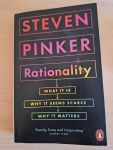
- What is Right with People? Rationality by Steven Pinker, review and analysis
- What is Assemble’s House of the People?

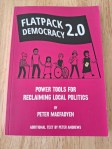
- Independents in power — Flatpack Democracy 2.0 by Peter Macfadyen, review and analysis
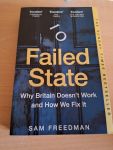
- Parallel thinking — Failed State by Sam Freedman, review and analysis
- Bookchin for beginners — Practicing Social Ecology by Eleanor Finley, review and analysis

- Could Serbia have the first assembly revolution?

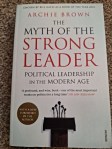
- The Myth of the Strong Leader by Archie Brown, review and analysis
- All In: A Revolutionary Theory to Stop Climate Collapse, review and analysis

- The need to work together — Movement Ecology’s study of participatory democracy movements
- A movement is stirring — my experience at Rev21’s convention

- Another day in paradigms — Roger Hallam’s podcast, review and analysis (Part 2)

- How We Got Here: The Shortest History of Democracy by John Keane, review and analysis
- A Hard Rain’s Gonna Fall — Roger Hallam’s podcast, review and analysis (Part 1)
- Is identity problematic? The Identity Trap by Yascha Mounk, review and analysis
- A people’s assembly in action!
- The origins of revolutions – The Quiet Before by Gal Beckerman, review and analysis
- Should assemblies contest elections?

- Rawls to the Rescue? Free and Equal by Daniel Chandler, review and analysis

- How to do a cheap citizens’ assembly
- A viable utopia? The Next Revolution by Murray Bookchin, review and analysis
- Learning from women’s suffrage

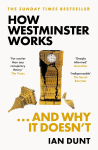
- Granny of parliaments — How Westminster Works… and Why It Doesn’t by Ian Dunt, review and analysis
- An astonishing response — promoting a people’s assembly in Salisbury

- When Assemble disrupted the House of Lords
- Roger Hallam: Assemblies can go viral

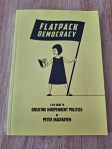
- An independent revolution — Flatpack Democracy by Peter Macfadyen, review and analysis
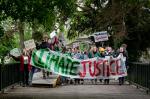
- Why do protest movements fail? If We Burn by Vincent Bevins, review and analysis
- Why You Should Start a People’s Assembly
- Why We Need Assembly Democracy
- What are People’s Assemblies?
 Assembly Project