-

Last September, Britain’s embattled centre-left government announced they would be introduced a compulsory digital ID. Although polls in the last few years had found public opinion more open to a government ID system, the initial public reaction was far more divided. Opposition surged and a petition against the proposal soon drew millions of signatures in…
-
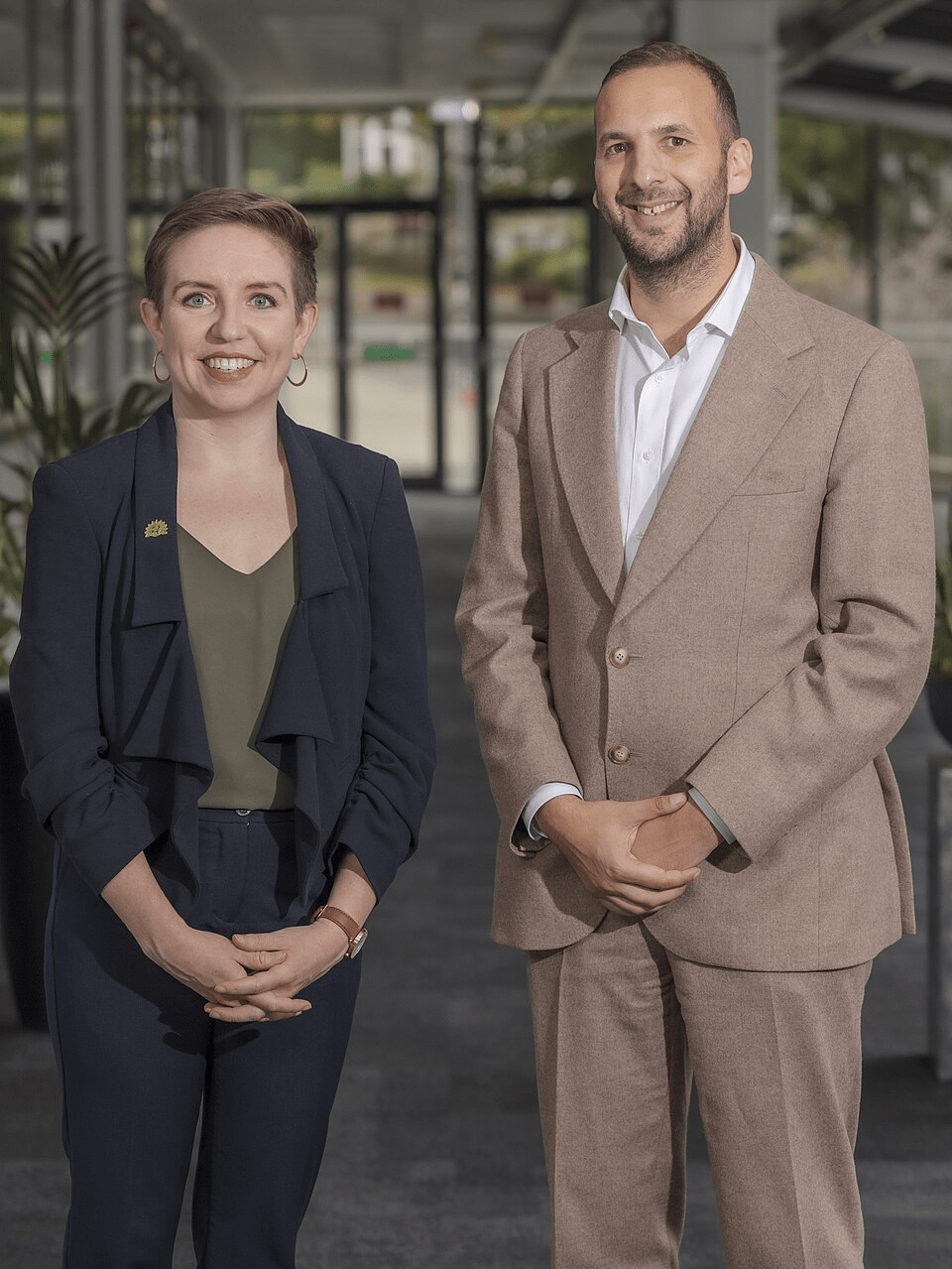
If you fancy a career in politics, watch Zack Polanski and study how he speaks: Who would’ve thought of it, a politician who actually answers the question! Leaders are often overrated in politics. John Bartle and Ivor Crewe once calculated that Tony Blair, an undeniably charismatic leader, improved his party’s vote share by less than…
-
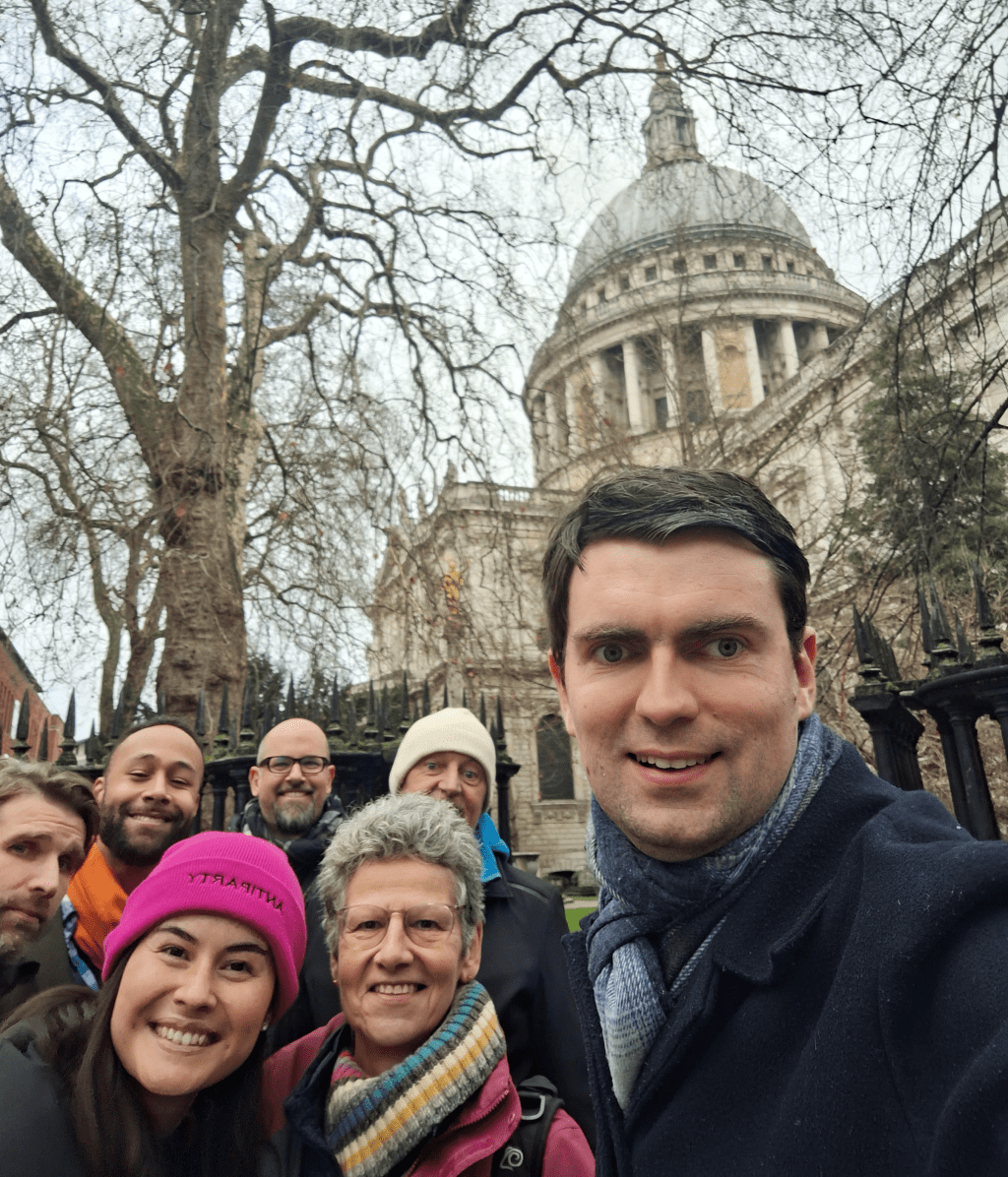
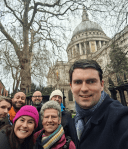
A few weekends ago, I went on a walking tour of central with Bella Roberts from Antiparty, a group dedicated to envisioning democracy without the party system of today – something I have independently concluded myself. They are particularly interested in sortition, deliberative democracy and giving power to local communities. As they put it: We…
-
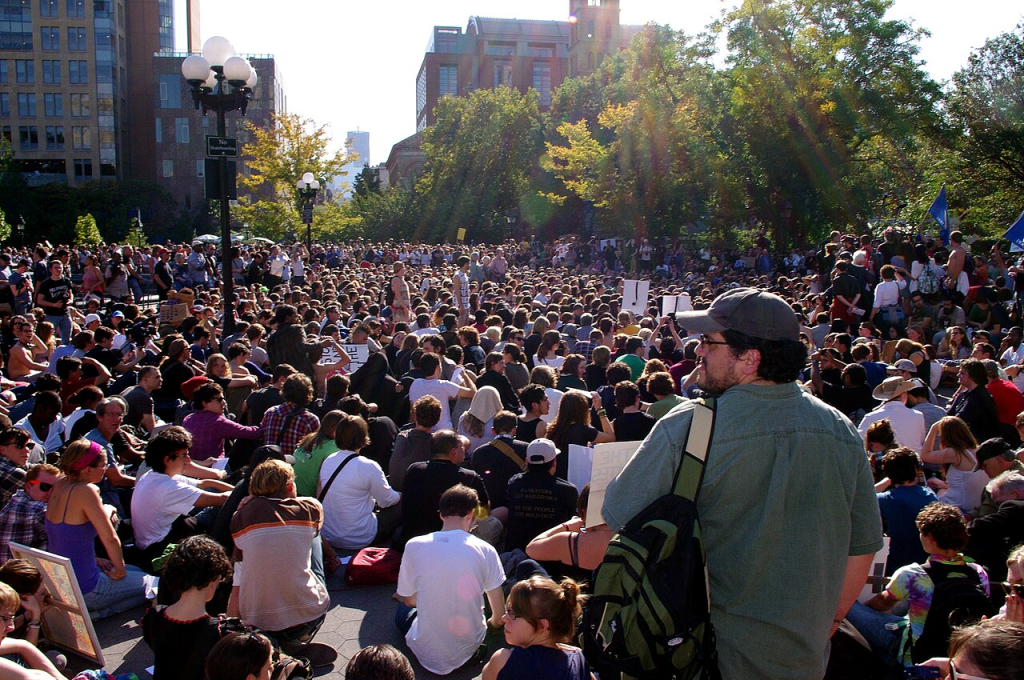
A protest against the killing of Renee Good last Wednesday, only hours after it happened. The 2010s saw more people take part in political protests than any decade before. The 2020s are shaping up to be bigger still — on the day I write this, the US is facing another big wave of protests over…
-
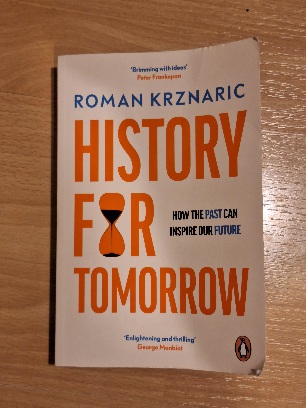
When confronted with the Cuban Missile Crisis in 1962, John F. Kennedy had on his mind a book that he had recently read. It was The Guns of August, Barbara Tuchman’s newly-published and now-classic account of how the European powers blundered into the First World War. Kennedy was impressed by the book and encouraged many…
-
Just over a month ago, I helped out at a people’s assembly in Brixton, a neighbourhood of the inner south London at the end of an Underground line, to act as the facilitator of a group discussion. I have been late posting on this, as this post stalled as I struggled to figure out several…
-

Frome, a mid-sized town in the English county of Somerset A few of us have predicted that radical assembly-based parties could be The Next Big Thing in politics. But how would one actually work? Assemblies What do we mean by assembly-based? This would partly mean that the party would use the incredible potential of randomly-selected…
-

Why am I so prone to bending covers? As the former CEO of Oxfam, the venerable charity for global poverty relief, Danny Sriskandarajah has met with many well-known figures. Among them was Prince Philip: As I began to reply that I had been drawn to an association built on shared values like democracy, Prince Philip…
-
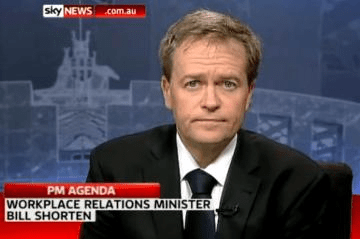
In April 2012, Bill Shorten, a minister in the Australian government, gave an interview that drew unusually wide attention, and has occasionally been circulated since. The topic was about Peter Slipper, the parliamentary speaker who had temporarily left his post in light of allegations of sexual abuse. Shorten was asked whether Slipper should return to…
-

Roger Hallam is not known for optimism. The co-founder of Extinction Rebellion and Just Stop Oil is quite the fire-and-brimstone preacher when it comes to climate change. But when I heard him a few weeks ago on a call with Assemble and like-minded activists, he sounded genuinely hopeful about the assemblies that they were about…


 Assembly Project